2026 Hunger Hotspots: 266 Million People at Risk – FAO/WFP Warning
#பட்டினி#FAO#WFP#உணவுப் பாதுகாப்பு#Hunger Hotspots#சூடான்#யேமன்#காசா#நைஜீரியா#சோமாலியா#மனிதாபிமான நிதி குறைவு#உணவுக் குறைபாடு
மொழி:
🔊
இந்தக் கட்டுரையைக் கேளுங்கள்
🤖 AI மொழிபெயர்ப்பு — மனித ஆசிரியரால் மதிப்பாய்வு செய்யப்பட்டது · AI translation, human-reviewed
Rome – The Food and Agriculture Organization of the United Nations (FAO) and the World Food Programme (WFP) warned today that acute food insecurity is expected to worsen further for tens of millions of people in 13 countries over the period from June to November 2026.
In the latest edition of the Hunger Hotspots report, published twice a year by the Global Network Against Food Crises (GNAFC), Sudan, South Sudan, Yemen and Palestine have been identified as the world’s most critical hunger hotspots, based on the severity and scale of hunger.
Nigeria has now been added to the list of countries of highest concern. Projections indicate that people in Borno State could face Catastrophe levels of food insecurity in the coming period (Catastrophe – an extreme lack of food/basic needs, starvation, death, and extremely critical malnutrition). Somalia has also been placed in this category – there is a risk of famine in Burhakaba district in the Bay region.
Causes
In 12 of the 13 hotspots, armed conflict and violence are the main drivers of acute food insecurity. These are compounded by economic shocks, severe funding shortfalls, and risks linked to an upcoming El Niño event. El Niño is expected to bring irregular rainfall, drought and flooding.
This warning comes at a time of an unprecedented shortfall in funding for humanitarian assistance. Funding for food assistance, emergency agricultural support and nutrition in food crises fell by about 59% between 2022 and 2025, returning to levels seen nearly a decade ago. At the same time, the number of people facing high levels of acute food insecurity in these countries has risen to around 266 million.
Additional shocks such as spillover effects from the Middle East conflict and the Ebola outbreak in the eastern Democratic Republic of the Congo (DRC) are also worsening the situation. These risk further disrupting livelihoods, markets and humanitarian access.
“We already know where the next famine emergencies are likely to occur,” said FAO Deputy Director-General Beth Bechdol. “The challenge is whether we act early enough, and at the necessary scale. When farmers cannot plant, when pastoralists lose their livestock, when markets are disrupted, food insecurity deepens rapidly.”
“The warnings in this report cannot be ignored,” said WFP Executive Director Carl Skau. “Conflict, shocks and disasters force families to make impossible decisions about who eats and who goes to bed hungry.”
Hotspots of highest concern
Sudan: Risk of famine in 14 areas in North Darfur, South Darfur and South Kordofan until September 2026. Expected to persist in 13 areas until January 2027. As of May 2026, 19.5 million people – 41% of the population – were facing high levels of acute food insecurity (IPC Phase 3+), including 5 million in Emergency (IPC 4). The number of people in Catastrophe (IPC 5) is projected to rise to 200,000 in 15 areas in June–September 2026, up from 135,000 in February–May.
South Sudan: In April–July 2026, 7.8 million people – 55% of the population – are in Crisis or worse (IPC 3+), including 2.5 million in Emergency (IPC 4) and about 73,000 in Catastrophe (IPC 5). Risk of famine in four counties until July 2026.
Yemen: 18.3 million people are in Crisis or worse (IPC 3+), more than half the population. This includes 5.5 million in Emergency (IPC 4) and 41,000 in Catastrophe (IPC 5). In government-controlled areas, nearly 5.4 million people are projected to be in Crisis+ in June–September 2026.
Nigeria: In June–August 2026, about 34.8 million people are facing high levels of acute food insecurity (CH Phase 3+), including 1.8 million in Emergency (CH 4) and around 15,000 in Catastrophe (CH 5) in Borno State.
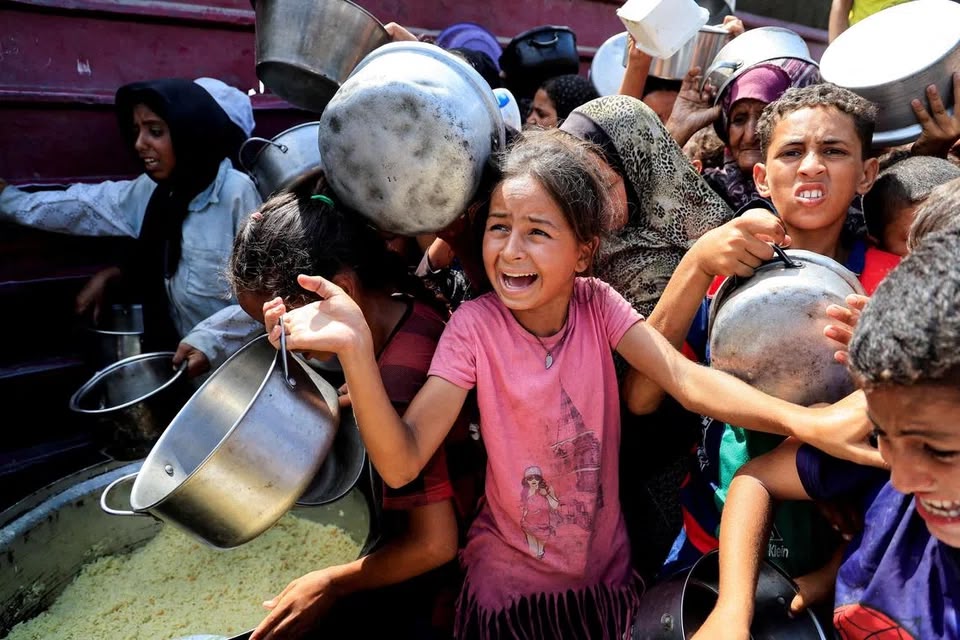
Palestine: In Gaza, the situation has improved since the October 2025 ceasefire, but remains fragile. Up to mid-April 2026, the entire territory was at risk of famine. 1.6 million people – 77% of the analysed population – face severe acute food insecurity requiring emergency assistance, including over half a million in Emergency (IPC 4) and 1,900 in Catastrophe (IPC 5). The projection for June–November 2026 was not available at the time the report was prepared.
Somalia: In April–June 2026, around 6 million people are facing high levels of acute food insecurity, including nearly 1.9 million in Emergency (IPC 4). Risk of famine in Burhakaba district. Drivers include years of drought, record-low crop production, conflict, and spillover effects from the Middle East conflict.
Hotspots of very high concern
Afghanistan: Prolonged drought, high food prices, escalating conflict.
Democratic Republic of the Congo: Acute food insecurity persists due to conflict and large-scale displacement in eastern provinces. A resurgence of Ebola could disrupt markets, mobility and humanitarian operations, worsening hunger.
Haiti: Previously among the hotspots of highest concern, it has now shifted to the very high concern category. There are limited, localized improvements due to easing inflation and better access on some roads, but the situation remains highly volatile.
Other hotspots
Myanmar and Mali: The situation is expected to worsen due to conflict, economic pressures and climate variability.
Lebanon and Madagascar: Lebanon has been newly added to the hotspot list following an escalation of hostilities at the end of February 2026, and Madagascar due to adverse and irregular weather conditions.
What needs to be done
FAO and WFP, through the Global Network Against Food Crises, call for urgent, coordinated action to scale up humanitarian assistance, ensure safe access, invest in livelihoods, and strengthen resilience.
The report stresses that anticipatory action saves lives, protects livelihoods and is significantly more cost-effective than responding after crises escalate.
IPC levels note:
• IPC 3 Crisis: Food consumption gaps, high malnutrition; or minimum food needs can be met only by depleting livelihood assets.
• IPC 4 Emergency: Large food consumption gaps, very high malnutrition and excess mortality; or can be managed only through emergency livelihood strategies.
• IPC 5 Catastrophe/Famine: An extreme lack of food/basic needs even after full coping strategies have been exhausted. Starvation, death, destitution and extremely critical malnutrition are clearly evident.உங்கள் படைப்பைச் சமர்ப்பியுங்கள்
கவிதை, கட்டுரை, கண்டுபிடிப்பு, அனுபவங்களை அறிவுப்பசி மூலம் உலகறியச் செய்யுங்கள்.
Discussion (0)
Be the first to comment.
தொடர்புடைய கட்டுரைகள்


தொடர்புடைய கருவிகள்