Vertical Ocean Farms Could Feed 1 Billion by 2040
#food security#ocean#climate#கடல் வேளாண்மை#செங்குத்து கடல் பண்ணைகள்#கெல்ப் வளர்ப்பு#இரட்டை சிப்பி வளர்ப்பு#உணவு பாதுகாப்பு#2040 உணவு உற்பத்தி#செங்குத்து கடல் பண்ணை#இரட்டை சிப்பி சாகுபடி#கடல்சார் உணவு பாதுகாப்பு
மொழி:
🔊
இந்தக் கட்டுரையைக் கேளுங்கள்
A coalition of marine scientists has published a 5-year study examining “stacked” vertical ocean farms and reporting that these systems can produce 9x the food yield per km² of traditional aquaculture, while operating with carbon-negative net emissions. The work adds to a growing body of research on how marine aquaculture might be redesigned to produce more food per unit area, while also reducing environmental impacts that have historically accompanied some intensive forms of fish and shrimp farming.
## What “vertical ocean farms” are, and why stacking matters
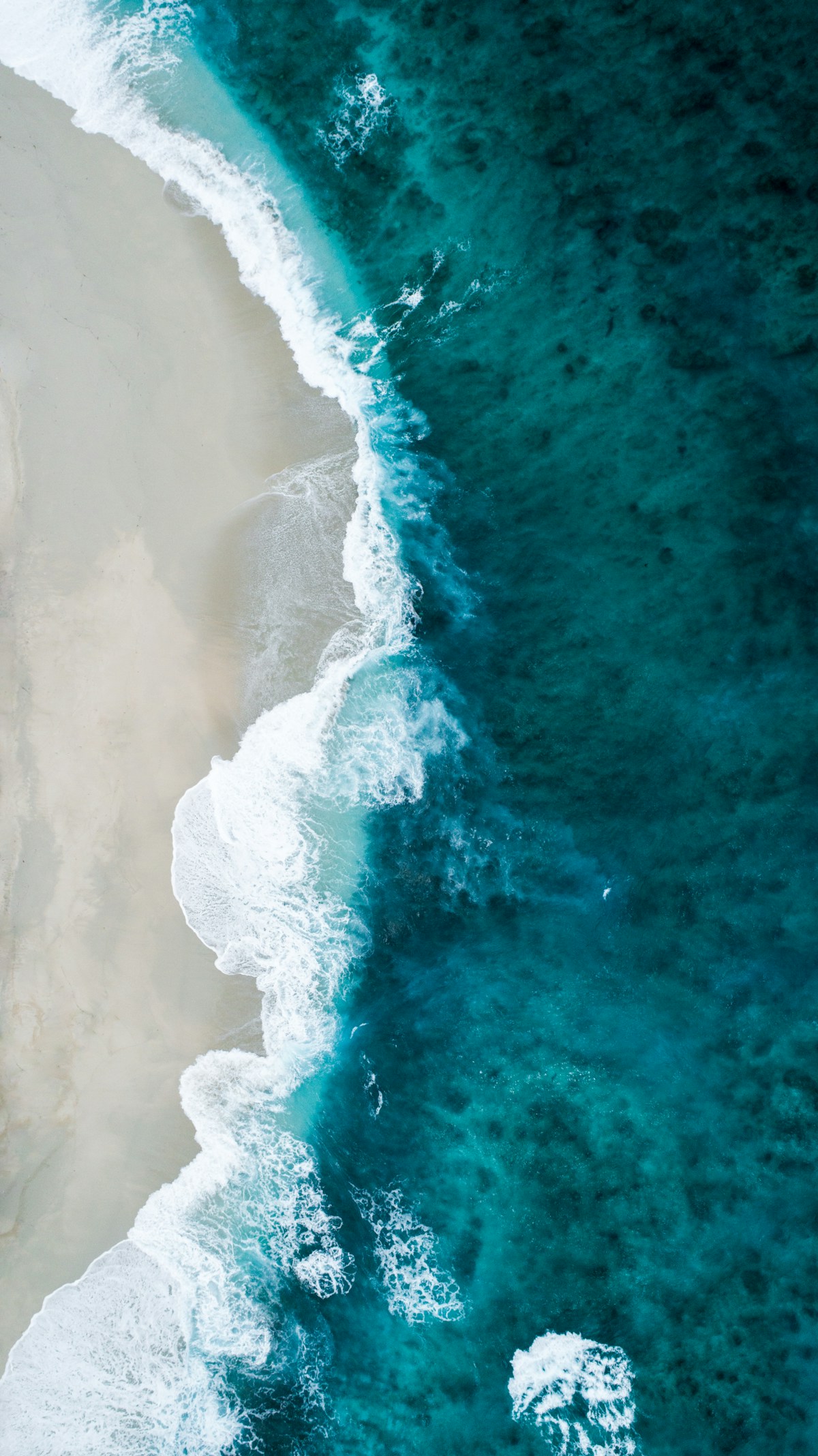
Vertical ocean farming is a form of aquaculture that uses the water column—rather than only the seabed surface—to grow multiple species in a single footprint. Instead of spreading one crop or one type of shellfish over a wide area, these farms are organized into vertically interleaved layers. In practical terms, the same horizontal space can host different organisms at different depths, which is why the study frames the approach as “stacked.”
The study’s model combines kelp, scallops, mussels and oysters. Kelp is a fast-growing seaweed that can be cultivated on suspended lines or ropes. Scallops, mussels and oysters are filter-feeding shellfish that can be grown on longlines, in cages, or on other suspended infrastructure. By designing the farm in layers, operators can place kelp higher in the water column where light is more available, while positioning shellfish below or alongside in ways that still allow them to feed efficiently.
The central claim of the study—9x the food yield per km² compared with traditional aquaculture—speaks directly to the concept of “yield density.” Traditional aquaculture frequently relies on horizontally expansive layouts: more area is used to grow more product. A stacked arrangement aims to decouple production from the need to claim proportionally more ocean space, in the same way that multi-level cultivation in some land-based systems increases output per unit of land.
## How the multi-species design is intended to work
The inclusion of kelp alongside scallops, mussels and oysters reflects a particular design logic: use a mix of species that can coexist in the same ecosystem niche without competing heavily for the same inputs. Kelp draws on sunlight and dissolved nutrients. Shellfish feed by filtering naturally occurring particles from the water. Because these organisms rely on different resources, the model suggests they can be cultivated in close proximity in a way that is operationally efficient.
The layered arrangement also implies a form of “co-production,” where the farm is not dependent on a single commodity. A system producing kelp plus multiple types of shellfish can, in principle, spread risk: if one crop performs poorly in a given season, another may still provide output. From a food-system standpoint, it can also broaden the set of products available to consumers, from seaweed-based foods to commonly eaten bivalves.
## Carbon-negative net emissions: what that claim implies
The study reports carbon-negative net emissions for the vertical ocean farm model. Carbon-negative net emissions means that, when accounting for the system as modeled, the farm removes more carbon from the atmosphere–ocean system than it emits over the relevant boundary conditions. Kelp growth is commonly discussed in climate contexts because seaweeds absorb carbon dioxide as they grow. Shellfish also form shells, which involves carbon chemistry. However, whether an operation is “net” carbon-negative depends on what is counted: equipment manufacture, vessel fuel, processing, and end-of-life handling of biomass can all affect the balance.
By describing the emissions as carbon-negative on a net basis, the authors are making a strong claim about the climate profile of the approach, not merely that it is “lower carbon” than alternatives. If this result is robust under real-world operating conditions, it would elevate vertical ocean farming beyond being just a food production strategy and into the category of potentially climate-relevant interventions. At the same time, carbon accounting for ocean-based systems is complex, and conclusions can hinge on methodological choices. The study’s 5-year horizon is notable because it suggests the authors evaluated the model over multiple seasons rather than treating it as a single-year snapshot.
## The scale argument: 0.025% of the ocean surface and 1 billion people
A key assertion from the authors is that farming 0.025% of the world’s ocean surface using this stacked model could meet the protein needs of 1 billion people. The argument here is about scale: the world’s oceans are vast, and even a fraction of a percent represents an enormous area. By framing the needed footprint as 0.025%, the authors are emphasizing that, in their view, the spatial requirement is not the limiting factor—especially if yield per km² can be substantially increased.
The phrase “protein needs” is important. It does not imply meeting all calorie needs, nor does it necessarily address micronutrient needs, cultural preferences, or culinary acceptability. It is specifically about protein, and it draws attention to the role that bivalves can play as a dense source of dietary protein. Kelp, while not generally protein-dense in the way animal foods are, can still contribute to nutrition and can be used in a range of food products.
## Implications for food security and coastal economies
If the study’s performance claims translate into practice, the implications could be significant for food security, especially as many countries seek alternatives to land-intensive agriculture and as capture fisheries face pressure from overfishing and climate-driven ecosystem change. Bivalve aquaculture is often discussed as comparatively resource-efficient because it does not require feed inputs in the way many finfish systems do. The inclusion of kelp similarly avoids the need for fertilizers and freshwater typical of land crops.
There are also potential economic implications. A vertically interleaved farm growing kelp, scallops, mussels and oysters could support multiple value chains: food markets, processing industries, and possibly non-food uses of seaweed. Coastal communities already familiar with shellfish farming might adapt more readily to a stacked design than communities starting from scratch, though the engineering and permitting requirements could differ.
## Practical constraints and governance questions
Even if only a small percentage of ocean surface is theoretically sufficient, where that area is located matters. Ocean space is contested, with shipping lanes, fishing grounds, conservation areas, tourism, and in some regions offshore energy development. Expanding aquaculture—especially at a scale implied by “meeting the protein needs of 1 billion people”—would raise governance questions about marine spatial planning, licensing, and ecological monitoring.
Environmental performance also depends on siting and management. Shellfish farms can interact with local ecosystems in ways that can be beneficial or harmful depending on conditions. Kelp farms can alter habitat structure and local hydrodynamics. A stacked system increases complexity: it is designed to be efficient, but it also concentrates infrastructure and biomass in a compact space, which could create localized effects that regulators and communities may scrutinize.
## Why the study matters in the wider debate on sustainable protein
The study’s combination of claims—9x yield per km², carbon-negative net emissions, and a pathway to meeting the protein needs of 1 billion people using 0.025% of ocean surface—positions vertical ocean farms as a candidate solution in the broader push for sustainable protein. It suggests a model in which more food is produced from the same area, potentially with a favorable climate profile, and using species that do not depend on finite feed resources.
At the same time, the leap from a modeled system to global deployment requires careful evaluation: reproducibility across different ocean conditions, supply chain capacity, food safety oversight, and public acceptance all influence whether a concept becomes a scalable reality. The study’s 5-year scope indicates sustained investigation, and its emphasis on a multi-species, vertically interleaved design highlights an approach that prioritizes density and integration over single-species expansion.
உங்கள் படைப்பைச் சமர்ப்பியுங்கள்
கவிதை, கட்டுரை, கண்டுபிடிப்பு, அனுபவங்களை அறிவுப்பசி மூலம் உலகறியச் செய்யுங்கள்.
Discussion (0)
Be the first to comment.
வேளாண்மை — பிரபலமானவை
- 1தமிழ்நாட்டின் பாரம்பரிய நீர் மேலாண்மை முறைகள்: கல்லணை முதல் ஏரி நெட்வொர்க் வரை
- 2கிளிநொச்சி மாடித்தோட்டம். 1000 ரூபாயில் வீட்டு மாடியை காய்கறி தோட்டமாக்குவது எப்படியென்று அறிய ஆவலா?
தொடர்புடைய கட்டுரைகள்
வேளாண்மை
கிளிநொச்சி மாடித்தோட்டம். 1000 ரூபாயில் வீட்டு மாடியை காய்கறி தோட்டமாக்குவது எப்படியென்று அறிய ஆவலா?
11 ஜூலை, 2026

அறிவியல்
The Hidden Reality - பிரையன் கிரீன்
14 செப்., 2026

இலக்கியம்
The Great Gatsby - எஃப். ஸ்காட் ஃபிட்ஸ்ஜெரால்ட்
13 செப்., 2026

அறிவியல்
84 மர்ம பிரபஞ்ச பொருட்கள்! NASA அதிசயம்
11 செப்., 2026
தொடர்புடைய கருவிகள்